Male Allyship in Action: Small Changes That Make a Big Difference
What does being a good ally really look like in the workplace? And how can leaders and managers make a meaningful difference to the confidence, development and progression of the people around them?
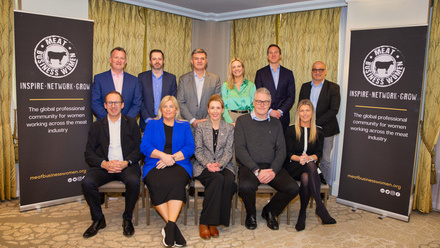
These were the questions at the heart of our recent Meat Business Women Inside Track Masterclass, featuring three brilliant leaders, Peter Bufton from Cargill, Andrew Agnew from Kepak Group and Gary Rowland from Dunbia.
We explored how everyday leadership behaviours can help remove barriers, build confidence and create opportunities for others and wanted ot shae our top five key takeaways, with practical ideas to put into action.
1. Allyship starts with understanding people, rather than making assumptions
Effective allyship begins with listening and recognising that not everyone faces the same barriers.
Reflecting on his own experiences, Andrew explained that he had grown up believing that working hard was the route to success. But as his career progressed, he recognised that not everyone faces the same circumstances or barriers.
For Andrew, allyship means recognising those barriers, listening to people's experiences and taking practical steps to help remove them.
Peter echoed the importance of understanding individual circumstances, explaining that creating an environment where people feel comfortable being themselves is fundamental to helping them perform at their best.
He emphasised that leaders cannot assume they know what people need simply because they work in the same team or have similar responsibilities.
Put it into practice: Get curious about the people you work with. Understand their ambitions, what motivates them and what might be holding them back. Ask questions rather than making assumptions, and consider what barriers you could help remove.
2. Small, consistent actions make the biggest difference
When we think about creating inclusive workplaces, it's easy to focus on formal programmes, policies and initiatives. While these have an important place, our speakers agreed that good leadership is often built through much smaller, more consistent actions.
Peter highlighted the importance of being visible, approachable and genuinely interested in the people around you.
Good leadership, and also allyship, it's built on… those small actions that are performed every day.
Whether it's taking time to speak to colleagues on the factory floor, recognising someone's contribution or checking in on their development, these small actions help people feel valued and supported.
Andrew shared a particularly simple technique: calendar reminders.
When a colleague mentions something important, whether it's a personal milestone or a professional challenge, Andrew makes a note to follow up. It might be a quick Teams message or a conversation the next time they meet, but it shows he's listened.
Too often, feedback focuses on what could have been done better, rather than recognising what someone has done well.
Gary also highlighted the importance of recognising good work in the moment, rather than waiting for formal reviews or recognition schemes.
Put it into practice: Make recognition and informal conversations part of your routine. Give specific feedback when someone does something well, remember what's important to your colleagues and follow up on development conversations.
3. Don't mistake confidence for potential
One of the most valuable discussions focused on how leaders identify and develop talent, particularly people who might not naturally put themselves forward.
Andrew pointed out that when opportunities arise, it's often easiest to give them to the most confident or vocal person. But that doesn't necessarily mean they're the only one capable of succeeding.
He shared an example of a highly capable colleague who was initially uncomfortable taking responsibility for a customer account.
Rather than handing over the responsibility immediately, Andrew broke the opportunity into manageable steps. By the time they discussed making the arrangement permanent, she'd already demonstrated she could do the job. What initially felt like a significant step had become a series of smaller, manageable challenges.
Andrew also highlighted the commercial benefit. While developing others takes time initially, it ultimately creates a stronger, more capable team and frees up leadership capacity.
Put it into practice: Look beyond the people who immediately volunteer. Who has the capability but might need encouragement? Could a larger responsibility be broken into smaller steps? What support would help someone feel ready?
4. Career development doesn't always mean moving up
Gary challenged the traditional view of career progression, highlighting that not everyone wants to become a manager.
For some, development might mean becoming more skilled in their current role. For others, it could mean exploring an entirely different function.
He encouraged leaders to consider sideways and diagonal career moves, not just promotions.
For example, someone working on the factory floor might have an interest in engineering, technical or food safety. Shadowing a colleague, participating in an audit or completing a qualification could open up new opportunities.
Peter also shared how involving colleagues in projects outside their usual responsibilities, such as efficiency improvements or capital investment initiatives, can build skills, confidence and exposure to different parts of the business.
Gary made another important point: the value of learning is what happens afterwards.
Rather than simply sending someone on a course, managers should follow up to understand whether they've been able to apply what they've learned. If not, what's getting in the way?
Put it into practice: Make career conversations about possibilities, not just promotions. Offer opportunities to shadow, contribute to projects or develop new skills, and follow up to make sure learning translates into action.
5. Create an environment where people feel confident to contribute
The speakers also explored the importance of creating a workplace where people feel comfortable sharing ideas, asking questions and learning from mistakes.
Peter emphasised that this is particularly valuable in operational environments, where those closest to day-to-day challenges often have insights that senior leaders might not see.
"Be present, be visible, and, and, you know, make sure you're listening, because it's rarely a waste of time."
Gary highlighted the importance of allowing people to make mistakes and learn from them, within appropriate boundaries, rather than immediately stepping in to solve every problem.
Andrew also encouraged leaders to be open about their own challenges and ask for help when needed, demonstrating that nobody has all the answers.
Ultimately, allyship shouldn't be something separate from everyday leadership.
Gary raised an important consideration: allyship shouldn't create the impression that women need a male colleague to progress. Instead, the focus should be on making opportunities fairer and more accessible.
As Peter summarised:
"You don't have to be a hero, you just have to be there."
Put it into practice: Make space for different voices, invite ideas from colleagues at every level and respond constructively when something goes wrong. Consider whether your everyday behaviours encourage people to speak up or hold them back.
Turning the conversation into action
Perhaps the biggest takeaway was just how much influence managers have on people's everyday experiences and future opportunities.
They help determine who gets recognised, who is encouraged to take on new responsibilities and whose ideas are heard.
And while organisational change takes time, there are plenty of things we can do right now.
Five things to try:
-
Start a conversation. Ask someone about their ambitions, interests or what they'd like to learn.
-
Recognise a contribution. Give specific, positive feedback when someone does something well.
-
Look beyond the obvious candidate. Consider someone who could benefit from an opportunity but might not put themselves forward.
-
Create a development opportunity. Invite someone to a meeting, involve them in a project or connect them with a colleague in another function.
-
Follow up. Show you've listened by coming back to a conversation, development goal or challenge someone has shared.