Global Gender Research Report 2026
Progress in gender balance is happening, but is uneven across the sector
The headlines at a glance
The biggest gains are coming from organisations choosing to take action
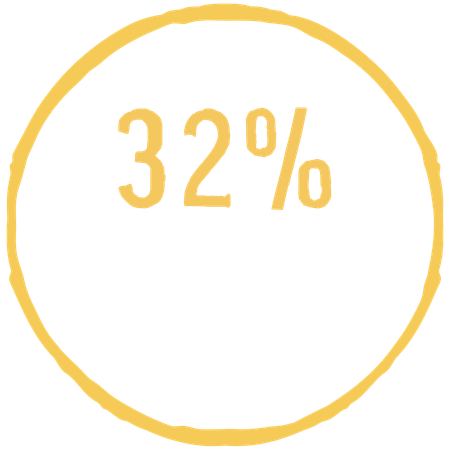
What's Driving Uneven Progress?

Progress is uneven across the industry
Some organisations are making measurable gains, while others remain static. This is being driven by leadership choices.

The talent pipeline is breaking early
The biggest drop in representation continues to happen at the first step into management.

Culture is built on the ground, not in strategy
Managers shape day-to-day experience

Flexibility is now a strategic issue
Practical progress on flexible working and role design is slow. This is where talent is being lost.

Progress is being driven by choice, not chance
Inclusion advances where organisations choose to act.
This is about strengthening the future of the industry
The Food Business Charter brings organisations together around a shared ambition of 40% female representation across the food value chain by 2035.
Early evidence suggests the Charter is making a difference. Charter signatories and Meat Business Women partners outperform non-participants in women's representation at the majority of the seven career levels measured and over 25% of organisations are already at 40% female representation.
The Charter is already acting as a strategic anchor, keeping gender inclusion on senior agendas, strengthening internal influence and shifting inclusion from an HR initiative to a business priority.
Our Global Research Journey so far...
Meat Business Women acts in support of the United Nations Sustainable Development Goal 5, particularly target 5.5, focused on ensuring women’s full and effective participation and equal opportunities for leadership at all levels.
Our 2020 and 2023 reports established a global benchmark for gender representation in the meat industry, identifying the barriers to progression and the actions needed to drive change. Each report has built on the last, creating a clearer picture of how the industry is evolving and where progress still needs to accelerate.