How a 60-Day Reset Builds Career Clarity and Confidence
January often comes with pressure to feel motivated, be clear on your goals and with big ambitions.
But for many of us working across the food industry, the reality looks a little different! After a hectic festive period, energy is low, tasks that were not a priority pre-Christmas are now looming, and career progression can feel fuzzy rather than focused.
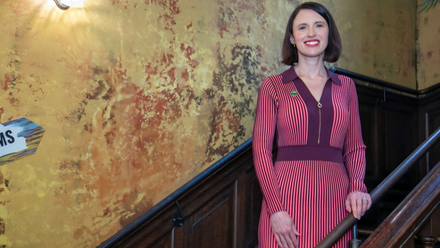
So with this in mind, time for some reflection was needed! We held a Masterclass with the brilliant Kate Acheson to help us to pause, reset, and decide what actually deserves our energy over the next few months.
Prioritising your own development, even briefly, matters more than having a perfectly formed plan.
Start with a reset, not a rush
Before thinking about what’s next, it’s worth taking stock of where you are. Kate encouraged us to ask ourselves:
What are you proud of from the past year?
What drained you more than you expected?
And what are you carrying forward that no longer serves you?
Don’t just think it – write it down! As Kate said:
“There’s strong evidence that writing things out creates clarity and helps with decision-making and goal achievement.”
For women navigating demanding operational, technical, commercial or leadership roles, this kind of reset can surface patterns that aren’t obvious day-to-day. It helps separate what’s genuinely important from what’s just noise.
Refocus on what needs to change now
Once you’ve reflected, the next step is refocusing. Not on everything, but on one or two things that would make the biggest positive impact on your confidence, capability or clarity.
Useful questions include:
- What’s working well in my career right now?
- What feels stuck, draining or unclear?
- What am I continuing to do out of habit rather than value?
Kate is clear that this doesn’t need overthinking:
“Sometimes it’s hard to admit something is draining you. But once you name it, you can start to loosen its grip.”
Why 60 days is a powerful timeframe
Rather than setting year-long goals, focusing on a 60-day horizon can be more effective. As Kate reminded us:
“Sixty days are going to pass anyway. The difference is whether you use them to support yourself.”
Two months is long enough to build momentum, but short enough to feel achievable. It encourages progress without the pressure of long-term certainty.
A useful way to frame this is:
- If the next 60 days were successful, what would be different?
- What would give me more confidence, capability or clarity by then?
This approach is particularly helpful if you’re balancing full workloads, caring responsibilities and have limited time for personal development – as many of us do!
Break progress into small, deliberate actions
Career progression rarely comes from one big move. More often, it’s the result of small, consistent actions. Kate encouraged us to think about our development in tiny 5 minute windows.
That might mean:
- Preparing one question for your manager
- Booking a short conversation with someone you admire
- Making time for focused learning
- Acting on one piece of feedback rather than all of it
Small wins build confidence and confidence builds momentum over time!
Backing yourself is a leadership skill
One of the most important reminders Kate shard with us was to “Back yourself.”
She reminded us that confidence doesn’t come from having everything figured out. It comes from taking responsibility for your own development, even when things feel uncertain.
Sometimes progress doesn’t start with a promotion, but instead it can start with a pause, a few small decisions, and a clear 60-day focus.